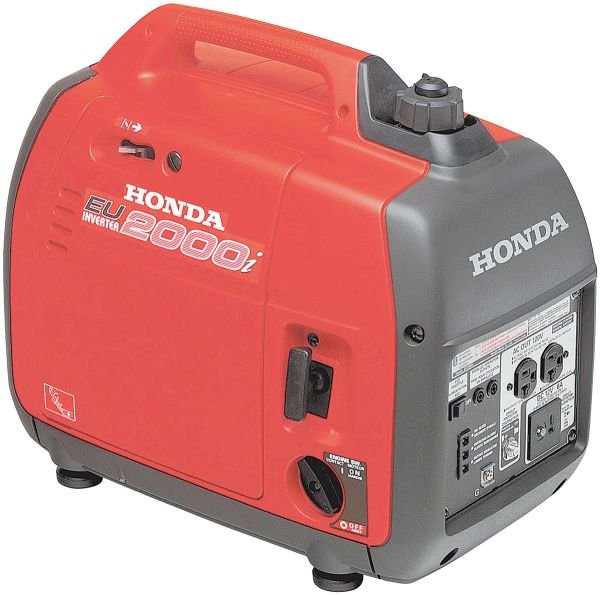
When the lights go out, or adventure calls you off-grid, few pieces of equipment offer the peace of mind and reliable power of a portable inverter generator. Among them, the Honda EU2000i stands out as a true workhorse, revered for its quiet operation, fuel efficiency, and legendary Honda reliability. But like any powerful tool, mastering its full potential and ensuring its longevity—not to mention your safety—hinges entirely on knowing how to operate and use your Honda EU2000i correctly.
This guide isn't just a dry manual; it's your comprehensive companion to confidently powering up your world, whether you're navigating an unexpected outage, enjoying a camping trip, or powering tools on a remote job site. We'll demystify everything from first start-up to essential maintenance, ensuring you get the most out of this exceptional machine.
At a Glance: Key Takeaways for Your EU2000i
- Safety First: Always operate outdoors in a well-ventilated area to prevent carbon monoxide poisoning. Never use indoors or in a garage.
- Fuel Wisely: Use fresh, unleaded gasoline with an octane rating of 86 or higher, and avoid ethanol blends exceeding 10% (E10).
- Oil is Vital: Ensure the crankcase has the correct amount and type of oil (SAE 10W-30 is common) before every start.
- Start-Up Sequence: Fuel valve OPEN, Engine switch ON, Choke ON (if cold), pull cord firmly.
- Eco-Throttle: Use this feature to save fuel and reduce noise when not running at full capacity.
- Regular Maintenance: Oil changes, air filter checks, and spark plug inspection are crucial for performance and lifespan.
- Storage Prep: Always drain fuel or use a stabilizer for long-term storage to prevent carburetor issues.
Why the Honda EU2000i Reigns Supreme
Before we dive into the nitty-gritty of operation, let's briefly acknowledge what makes the Honda EU2000i such a beloved machine. Its inverter technology delivers clean, stable power, safe for sensitive electronics like laptops and medical devices. It’s incredibly quiet, a feature often underestimated until you’re trying to sleep near a noisy conventional generator. Add to that its compact size, light weight, and the iconic red casing synonymous with Honda's bulletproof engineering, and you have a powerhouse that punchs well above its weight class.
Understanding these core benefits underscores the importance of proper care and operation—you've invested in a premium product, and treating it right ensures it serves you faithfully for years to come. For a deeper dive into its features and what makes it stand out, check out Your Honda EU2000i Generator Hub.
Unboxing & Initial Setup: Your First Steps to Power
While most EU2000i generators come largely assembled, there are a few critical steps before your very first start. Think of this as the builder's final handshake with your generator.
- Locate Your Manual: This guide provides general instructions, but your specific owner’s manual (often found with the generator) contains precise details for your model, including oil capacities and exact spark plug gaps. Keep it handy.
- Add Engine Oil: Your Honda EU2000i will not come with oil in the crankcase. Running it dry, even for a moment, can cause severe and irreversible damage.
- Placement: Place the generator on a level surface.
- Access: Remove the maintenance cover (usually a side panel held by a few screws or clips).
- Fill: Unscrew the oil filler cap/dipstick. Using a funnel, slowly add the recommended oil (SAE 10W-30 is standard for general use, but check your manual for temperature-specific recommendations). Fill to the top of the oil filler neck. Do not overfill.
- Check: Reinsert the dipstick without screwing it in, then remove and check the level. It should be at the full mark.
- Capacity: The EU2000i typically holds around 0.4 quarts (0.4 liters) of oil.
- Add Fuel:
- Fuel Type: Use fresh (preferably less than 30 days old), unleaded gasoline with an octane rating of 86 or higher. Crucially, avoid gasoline containing more than 10% ethanol (E10). Higher ethanol content can corrode fuel system components over time.
- Safety: Ensure the engine is off and cool. Always refuel outdoors and never near an open flame or spark.
- Fill: Open the fuel tank cap. Slowly pour fuel into the tank, making sure not to overfill. Leave a little space at the top for expansion.
- Cap: Securely replace the fuel cap.
Expert Tip: Consider using a non-ethanol recreational fuel or a fuel stabilizer from day one. This helps keep your fuel system clean and prevents common starting issues related to stale or separated fuel, especially if the generator sits for a while.
Safety First: Non-Negotiable Rules for Generator Use
Before you even think about pulling that starter cord, understand that generator safety is paramount. The biggest dangers are often invisible.
The Silent Killer: Carbon Monoxide (CO) Poisoning
Generator exhaust contains carbon monoxide, an odorless, colorless, and deadly gas. Even a seemingly "open" garage can trap enough CO to be lethal.
- Always Operate Outdoors: Place your generator at least 20 feet (6 meters) from any building, windows, doors, and vents. Ensure the exhaust is directed away from occupied spaces.
- Never Indoors: This includes garages, sheds, tents, basements, or any partially enclosed space.
- CO Detectors: Install battery-operated carbon monoxide alarms in your home or RV, and check them regularly. They are your second line of defense.
- Clearance: Ensure nothing obstructs the generator's ventilation openings.
Fuel Handling & Storage
Gasoline is highly flammable. Treat it with extreme caution.
- Cool Engine: Always refuel when the engine is OFF and COOL. Spilled fuel on a hot engine can ignite instantly.
- Outdoor Refueling: Refuel in a well-ventilated outdoor area.
- Proper Storage: Store gasoline in approved, clearly labeled containers, away from living areas, direct sunlight, and heat sources. Never store it inside your home.
- No Smoking: Keep flames, sparks, and smoking materials away from the generator and fuel.
Electrical Safety
Improper electrical connections can cause shocks, fires, or damage to appliances.
- Grounding: Your EU2000i has a grounding terminal. While often not required for basic appliance use, it's essential for certain applications (e.g., connecting to a transfer switch, using in a worksite setting). Consult your manual or a qualified electrician for proper grounding procedures if unsure.
- Proper Cords: Use heavy-duty, outdoor-rated extension cords that are sufficiently thick (low gauge number, e.g., 12 or 10 gauge) and rated for the power load. Never use frayed or damaged cords.
- Avoid Overload: Understand your generator's wattage limits (2000W peak, 1600W running for the EU2000i). Do not exceed these limits; an overload can trip the breaker and potentially damage the generator or connected devices.
- Never Backfeed: Connecting your generator directly to your home's electrical system without a proper transfer switch can send power back into the utility lines, endangering utility workers and potentially causing severe damage to your home and generator. Always use a transfer switch installed by a qualified electrician for home backup.
Power Up: Starting Your Honda EU2000i
With safety protocols ingrained, you're ready to bring your generator to life.
- Placement: Position the generator on a firm, level surface outdoors, away from windows and vents, ensuring at least 3-5 feet of clearance around it for ventilation.
- Fuel Valve: Turn the fuel valve lever to the "ON" position. This allows fuel to flow from the tank to the carburetor.
- Engine Switch: Set the engine switch to the "ON" (or "RUN") position.
- Choke (Cold Start): If the engine is cold (not run recently, or in cool weather), slide the choke lever to the "CHOKE" position. If the engine is warm, you might not need to use the choke, or only for a moment.
- Pull the Starter Cord:
- Grasp the starter grip firmly.
- Pull it slowly until you feel resistance, then pull it quickly and smoothly with a full arm's length stroke. Do not let the cord snap back; gently guide it.
- Repeat until the engine starts. It usually takes 1-3 pulls.
- Choke (Warm-up): Once the engine starts, slowly move the choke lever back to the "OFF" position. If you move it too quickly, the engine might stall. Let the generator run for a minute or two to warm up before connecting any loads.
Troubleshooting a Reluctant Start:
- Is the fuel valve ON?
- Is the engine switch ON?
- Is there enough fresh fuel?
- Is there enough oil? (The oil alert system will prevent starting if oil is low).
- Is the spark plug clean and properly gapped?
Operating Your Generator: Connecting Loads & Optimizing Performance
Once your EU2000i is purring, it's time to put it to work.
Connecting Appliances
- Warm-Up: Allow the generator to run for a minute or two after starting.
- Plug In: Connect your appliances directly to the generator's AC receptacles or use appropriate heavy-duty extension cords.
- Sequential Loading: Connect appliances one by one, starting with the highest wattage item first (if applicable, though for most household items, the sequence doesn't dramatically matter as long as total wattage is within limits). This helps avoid sudden surges that could trip the breaker.
- Monitor Load: Keep an eye on the generator's overload indicator light. If it illuminates, you're drawing too much power. Unplug some devices immediately.
The Magic of Eco-Throttle
One of the EU2000i's best features is its Eco-Throttle system.
- Purpose: When engaged, Eco-Throttle automatically adjusts the engine speed to match the electrical load. If you're only powering a few lights, the engine idles down, saving fuel and significantly reducing noise. When a high-draw appliance (like a microwave) kicks on, the engine revs up to meet the demand.
- When to Use: Keep the Eco-Throttle switch in the "ON" position for most situations. It's ideal for extending run time, reducing noise, and conserving fuel.
- When to Disengage: If you're running appliances with high starting surges (e.g., some power tools, small air conditioners) or if you need maximum, consistent power, you might momentarily switch Eco-Throttle "OFF" to ensure the generator is at full speed before the load is applied. For most uses, "ON" is fine.
Monitoring Your Generator
- Oil Alert Indicator: If this light comes on, the oil level is too low. The engine will automatically shut down to prevent damage. Check and add oil immediately.
- Overload Indicator: This light comes on if the generator is overloaded. The output will stop, and the engine may continue running. Disconnect the overloaded device, wait a moment, then restart the generator (or simply let the engine continue running and remove the excess load).
Refueling During Operation (Caution!)
- If you need to refuel while the generator is in use, ALWAYS shut the generator OFF and allow it to cool for several minutes before attempting to refuel. Fueling a hot, running engine is extremely dangerous and a major fire hazard.
Shutting Down Your EU2000i
- Disconnect Loads: Unplug all appliances and extension cords from the generator.
- Eco-Throttle OFF: If Eco-Throttle was on, switch it to "OFF" and let the generator run at a steady speed for a minute or two without load. This helps stabilize the engine.
- Engine Switch OFF: Turn the engine switch to the "OFF" position.
- Fuel Valve OFF: Turn the fuel valve lever to the "OFF" position. This prevents fuel from flowing to the carburetor, which is crucial for storage and prevents potential leaks.
Keeping It Running: Essential Maintenance for Longevity
Regular maintenance isn't just a suggestion; it's the secret sauce to keeping your Honda EU2000i reliable for decades. Honda generators are known for their durability, but only if you give them a little love.
1. Engine Oil Changes
- Frequency: Change the oil after the first month or 20 hours of use (break-in period), then every 6 months or 100 hours of use.
- Process:
- Run the engine for a few minutes to warm the oil, then shut it off. Warm oil drains more completely.
- Place a drain pan beneath the oil drain plug (usually accessible by removing the side maintenance cover).
- Remove the oil filler cap/dipstick.
- Remove the oil drain plug (sometimes the same as the oil filler plug on the EU2000i, requiring you to tip the generator slightly).
- Allow all the oil to drain.
- Replace the drain plug, ensuring it's tight.
- Refill with the recommended oil type (SAE 10W-30 for general use, but check your manual) to the correct level.
- Dispose of used oil responsibly at an auto parts store or recycling center.
2. Air Filter
- Frequency: Inspect every 50 hours or 3 months, clean or replace every 100 hours or 6 months (more often in dusty conditions).
- Process:
- Remove the air filter cover.
- Remove the foam air filter element.
- Wash the foam element in warm soapy water, rinse thoroughly, and let it air dry completely. Alternatively, tap out loose dirt from a paper element (do not wash paper elements).
- Lightly oil the foam element with clean engine oil, then squeeze out excess.
- Reinstall the filter and cover.
3. Spark Plug
- Frequency: Inspect annually or every 100 hours, replace every 2 years or 300 hours.
- Process:
- Remove the spark plug cap.
- Use a spark plug wrench to remove the spark plug.
- Inspect the electrode for wear, carbon buildup, or damage.
- Check the gap with a feeler gauge (refer to your manual for the correct gap, typically 0.024-0.028 inches or 0.6-0.7 mm). Adjust if necessary.
- Replace the plug if heavily fouled or worn.
- Reinstall the plug finger-tight, then tighten with a wrench another 1/2 to 3/4 turn. Do not overtighten.
- Reattach the spark plug cap.
4. Fuel System
- Stabilizer: For any period of storage longer than a month, always use a high-quality fuel stabilizer mixed with fresh gasoline. Run the generator for 10-15 minutes after adding stabilizer to ensure it circulates through the carburetor.
- Draining (Long-Term Storage): For storage longer than 6 months, it's best to completely drain the fuel tank and carburetor.
- Drain the fuel tank into an approved container.
- Loosen the carburetor drain screw (often a small screw on the bottom of the carburetor bowl) to drain any remaining fuel.
- Tighten the drain screw.
- Run the generator until it stalls from lack of fuel (only do this after draining the tank as much as possible to avoid running dry with a full tank of unstabilized fuel). This ensures the carburetor is completely dry.
Important Note on Maintenance: Always refer to your specific Honda EU2000i owner's manual for detailed, model-specific maintenance schedules and procedures. There might be slight variations.
Troubleshooting Common EU2000i Issues
Even the most reliable generators can occasionally act up. Here are quick fixes for common problems:
1. Engine Won't Start
- No Fuel: Check fuel level and ensure the fuel valve is ON.
- No Oil: Check oil level. The oil alert system prevents starting with low oil.
- Engine Switch: Ensure it's in the "ON" position.
- Choke: Is the choke in the correct position for a cold start?
- Stale Fuel: Old gasoline is a common culprit. Drain and refill with fresh fuel.
- Spark Plug: Inspect the spark plug for fouling or improper gap.
- Air Filter: A severely clogged air filter can prevent starting.
2. Engine Starts But Stalls Immediately
- Choke: Did you move the choke off too quickly? Try restarting with the choke then slowly transition it off.
- Low Oil: Even if it starts, low oil can cause immediate shutdown.
- Fuel Supply: Check fuel valve, fuel level.
- Air Filter: A partially clogged air filter might allow starting but starve the engine quickly.
3. No Power Output
- Overload: Is the overload indicator light on? Unplug devices, reset the generator.
- Circuit Breaker: Check if the AC circuit breaker on the generator has tripped. Reset it.
- GFI (if applicable): If you're using a GFCI-protected outlet, check if it's tripped.
- Loose Connections: Ensure cords are securely plugged in.
4. Generator Runs Rough or Surges
- Stale Fuel: This is the most common cause. Drain and replace with fresh, stabilized fuel.
- Clogged Carburetor: Often a result of stale fuel. Professional cleaning may be needed.
- Dirty Air Filter: Restricts airflow.
- Fouled Spark Plug: Affects combustion efficiency.
Smart Usage Tips for Optimal Performance
Beyond the basics, a few practices can enhance your EU2000i experience.
- Pre-Season Check: If your generator has been stored, perform a quick check of oil, fuel, and air filter before you absolutely need it. It's better to discover an issue during a sunny afternoon than in the middle of a storm.
- Load Management: While the EU2000i handles delicate electronics, be mindful of starting watts vs. running watts. Appliances like refrigerators have a high starting surge. Plug them in one at a time and allow them to stabilize before adding more load.
- Extension Cords: Always use the shortest possible, high-gauge (thick) outdoor-rated extension cords. Longer, thinner cords lose more power and can be a fire hazard.
- Secure Your Generator: Honda generators are valuable. Use a cable lock to secure it to an immovable object, especially when camping or at a job site.
- Noise Awareness: While quiet, your EU2000i still makes some noise. Be considerate of neighbors or fellow campers by positioning it appropriately and using baffles if necessary (ensuring proper ventilation, of course).
- Regular Exercise: Even if you don't use it often, run your generator for 15-20 minutes once a month under a light load (e.g., a lamp or a fan) with stabilized fuel. This keeps the engine lubricated and helps prevent fuel system issues.
Common Questions & Quick Answers
Can I run my Honda EU2000i in the rain?
No. Never operate your generator in rain or wet conditions unless it is protected by an open, canopy-style structure that allows for ample ventilation. Electrical components exposed to moisture can cause shock or short-circuit.
What type of oil should I use in my EU2000i?
For general-purpose use, SAE 10W-30 motor oil is recommended. Always check your owner's manual for specific temperature ranges and alternative recommendations.
How long can the EU2000i run continuously?
With Eco-Throttle on and at a quarter load, the EU2000i can run for over 9 hours on a single tank of fuel. At full load, runtime is significantly less (around 3.4 hours). It's generally safe to let it run until it's low on fuel, but never refuel it while running. Continuous operation without breaks is fine from a mechanical perspective, but periodic checks for oil and fuel are crucial.
Is it okay to run the fuel tank completely dry?
Yes, it's actually recommended for long-term storage to prevent stale fuel from clogging the carburetor. For short-term use, it's not strictly necessary, but also causes no harm.
Can I use E15 or E85 gasoline?
Absolutely NOT. Honda explicitly states to avoid gasoline with more than 10% ethanol (E10). E15 (15% ethanol) and E85 (85% ethanol) will damage fuel system components and void your warranty.
Empowering Your Portable Power
Your Honda EU2000i is a remarkable piece of engineering, designed to bring reliable power wherever you need it. By understanding its functions, adhering to critical safety guidelines, and committing to a simple routine of maintenance, you're not just operating a generator—you're securing a dependable source of energy that will serve you well for years to come.
Take the time to familiarize yourself with your specific model's manual, practice the starting procedures, and make safety your unwavering priority. With these principles in mind, you'll be well-prepared to face power outages, enjoy off-grid adventures, or tackle remote projects with confidence, knowing your Honda EU2000i is always ready for action.